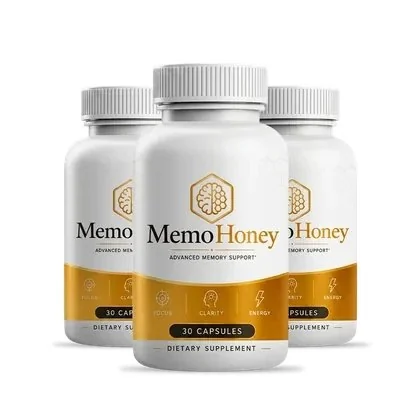
Claims vs evidence
Does MemoHoney really work? Claimed benefits against the evidence
Does MemoHoney work? We cannot say it does, because no study has tested the product. Its label prints 400 mg of arginine, while the one memory pilot used 6,400 mg a day and its placebo group improved too. The National Institute on Aging recommends no supplement for memory. Treat the benefits as claims, not results.
Written by the MemoHoney label deskUpdated
The direct answer
Does MemoHoney really work?
Nobody can say that MemoHoney really works, because no study has tested the product and the studies of its ingredients do not show a memory effect from amounts like these.
The label makes one claim, "ADVANCED MEMORY SUPPORT*", and the star leads to the FDA statement that the claim has not been evaluated (FDA structure/function claims). Around the label, sellers use stronger words. This site prints them only in quotes, and the sources below say how far each one goes.
“Boosts nitric oxide”
Arginine and citrulline are building blocks for nitric oxide, but one blood-flow study gave arginine by vein at a very high dose, and no study tested a 200 mg capsule. (Reutens 1997, arginine cerebral flow) (Toda 2009, NO and brain blood flow)
“Improves memory and focus”
No study we found tested these label amounts on memory. One small pilot used 6.4 g of arginine a day; the capsule holds 40 to 200 mg of each ingredient. (Teotia 2026, oral arginine pilot) (NIA, Cognitive health and older adults)
“Supports brain health”
NIA says no supplement is recommended for preventing memory decline, and an expert panel could not endorse any brain-health ingredient. (NIA, Cognitive health and older adults) (GCBH 2019, supplements and brain)
“Reviews prove it works”
Reviews are not evidence of an effect, and fake or bought reviews are banned by an FTC rule. (FTC fake reviews rule) (FTC health products guidance)
Claim by claim
What are the claimed benefits of MemoHoney?
The claimed benefits of MemoHoney are memory, focus, clarity and energy support, on the bottle front or the seller's pages, and no source we found confirms any of them.
The table sets each common line beside the evidence. "Improves memory and focus", "Boosts nitric oxide" and "Targets the real causes of memory loss" are marketing lines, not findings. The label itself uses none of the last two.
- Common claim“Improves memory and focus”NIA recommends no supplement for memory, the Cochrane review found no meaningful effect of vitamin and mineral strategies on decline, and no trial tested this capsule's amounts. (NIA, Cognitive health and older adults) (Rutjes 2018, Cochrane vitamins)
- Common claim“Boosts nitric oxide”A 12-person study gave arginine by vein (500 mg per kg) and brain blood flow rose 9.5%; it ran no memory test and says nothing about 200 mg by mouth. (Reutens 1997, arginine cerebral flow) (Toda 2009, NO and brain blood flow)
- Common claim“Targets the real causes of memory loss”NIA lists treatable contributors such as thyroid, kidney or liver problems, medicine side effects, depression, sleep problems and low vitamin B12. None is on the panel. (NIA, Memory problems and aging) (Lancet Commission 2024 (AE summary))
- Common claim“Natural, so safe”Arginine can drop blood pressure too far with nitrates and ED medicines, and in one trial 6 of 153 heart-attack patients on arginine died, against none on placebo. (Mayo Clinic, L-arginine) (Schulman 2006, VINTAGE MI)
- Label front“ADVANCED MEMORY SUPPORT*”A starred line. A supplement may describe an effect on normal body structure or function, but it must carry the FDA disclaimer; naming a disease such as dementia would make it a drug claim. (FDA structure/function claims) (FDA, Unproven Alzheimer products)
- Name“MemoHoney” and honeyThe name is a brand. The seven panel rows list no honey, and honey-named supplements have been a warning sign in FDA notices on other products. (MemoHoney label) (FDA tainted sexual products)
- Common question“Can it replace a medicine?”No. Do not stop or change a prescribed medicine because of a supplement. Memory problems that are new or getting worse need a clinician. (NIA, Memory problems and aging) (FDA 101 supplements)
Claims as commonly marketed for capsules like this, and the one line on the label front (MemoHoney label). Health claims in ads need competent and reliable scientific evidence (FTC health products guidance).
The five label lines
What do the sources say about each MemoHoney benefit?
The sources say little: one pilot on arginine and memory, one blood-flow study that used a vein, and nothing on the other rows.
- Claim 1
The claim“Advanced Memory Support*”
What the sources sayThe only claim printed on the front, with a star that points to the FDA statement. FOCUS, CLARITY and ENERGY appear as icons. None is a promise of any result. (FDA structure/function claims) (FDA, Unproven Alzheimer products)
- Claim 2
The claim“Nitric oxide and brain blood flow”
What the sources sayArginine and citrulline are used by the body to make nitric oxide. The one brain blood-flow study we found gave arginine by vein at a very high dose; none tested the label's 400 mg and 200 mg. (Reutens 1997, arginine cerebral flow) (Toda 2009, NO and brain blood flow)
- Claim 3
The claim“Memory and focus”
What the sources sayA pilot in older adults with measured memory problems used 6.4 g of arginine a day and the placebo group also improved. NIA recommends no supplement for memory. (Teotia 2026, oral arginine pilot) (NIA, Cognitive health and older adults)
- Claim 4
The claim“Energy”
What the sources sayThe seller's page links niacin to cellular energy. The label gives 7.5 mg NE; we found no trial tying that amount to energy or memory. (Morris 2004, dietary niacin cohort) (NIH ODS, Niacin)
- Claim 5
The claim“Normal forgetting versus a problem”
What the sources saySlower recall is often normal aging; repeated questions or getting lost in familiar places are signs to get checked. A capsule does not sort one from the other. (NIA, Memory problems and aging) (Lancet Commission 2024 (AE summary))
The label front carries one starred line, “ADVANCED MEMORY SUPPORT*”, and the star leads to the FDA statement (MemoHoney label). The other lines are claims capsules like this are commonly sold with; this site does not make them.
The numbers
Is the MemoHoney dose high enough to matter?
No study shows that the MemoHoney dose is high enough to matter, and its amounts are small beside the doses researchers used.
The 2026 memory pilot gave older adults with measured memory problems 6.4 g of arginine a day for 30 days; the placebo group improved as well (Teotia 2026, oral arginine pilot). The capsule has 0.4 g across two rows, about 6% of that. Calcium at 18 mg is about 55 times below the 1,000 mg tested with vitamin D, which changed no cognition scores (Rossom 2012, WHI calcium + D).
| Ingredient | On the label | Studied | Memory finding |
|---|---|---|---|
| Arginine (2 rows) | 400 mg | 6,400 mg | One small pilot; placebo also improved |
| Citrulline (2 rows) | 200 mg | 3,000 to 9,000 mg | No human memory trial found |
| Beta alanine | 40 mg | 1,600 to 6,400 mg | No change on a thinking test in 20 soldiers |
| Niacin | 7.5 mg NE | Food intake only | An observational link, no trial |
| Calcium | 18 mg | 1,000 mg | No effect on cognition |
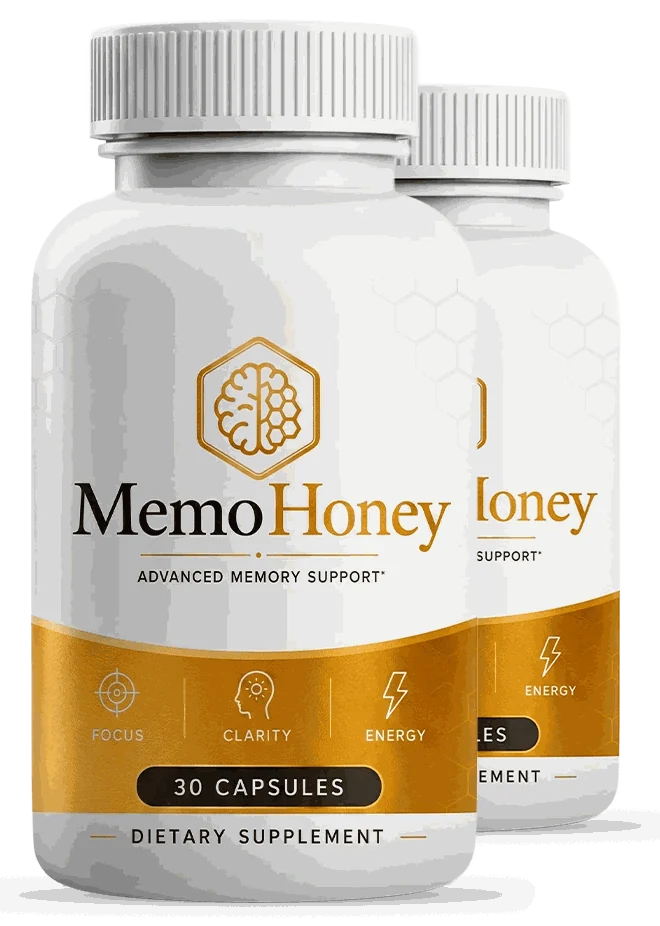
MemoHoney capsules: 30 to a bottleOne capsule a day · 2, 3 or 6 bottles · price and shipping shown at checkout
See the priceWeighing it
Is MemoHoney worth it?
Whether MemoHoney is worth it depends on what you need, because the evidence for memory is thin and the real strengths are small ones.
Fair points
- Every amount is printed in mg
- No proprietary blend
- One capsule a day
- A money-back badge; terms at checkout
Weak spots
- No trial of the product
- Amounts far below studied doses
- Manufacturer not named
- Interaction risks for some medicines
If the aim is a better day, the habits the sources do back (sleep, movement, blood pressure) cost nothing (NIA, Cognitive health and older adults).
Effectiveness
Is Memo Honey effective for memory loss?
No source shows that Memo Honey is effective for memory loss, and it is not a treatment for it.
The National Institute on Aging recommends no supplement to prevent cognitive decline (NIA, Cognitive health and older adults). A Cochrane review found no meaningful effect of vitamin and mineral strategies (Rutjes 2018, Cochrane vitamins). An expert panel could not endorse any ingredient for brain health (GCBH 2019, supplements and brain). Treatable causes of forgetting include thyroid problems, medicines and low B12 (NIA, Memory problems and aging).
Memory problems that are new, getting worse or getting in the way of daily life need a clinician, not a supplement. Keep taking prescribed medicine. Chest pain, fainting or trouble breathing: call 911.
Before you try it
What are the risks of taking MemoHoney?
The main risk is for people on certain medicines: arginine can lower blood pressure too far with nitrates, sildenafil-type medicines and blood pressure medicines (Mayo Clinic, L-arginine).
It may also add to blood thinners and diabetes medicines, and it is not for people after a recent heart attack: in one trial 6 of 153 patients on arginine died, none on placebo (Schulman 2006, VINTAGE MI). Ask your doctor or pharmacist first. Details are on side effects and the formula page.
FAQ
Does MemoHoney work? Common questions
Does Memo Honey really work?
We found no evidence that it does. No trial has tested the product, the studies of its ingredients used much larger doses, and the one arginine memory pilot saw its placebo group improve too. Treat any claim of a memory effect as unproven.
What are the benefits of MemoHoney?
The label claims only "ADVANCED MEMORY SUPPORT*", with icons for focus, clarity and energy. It does not promise a result, and the FDA statement says it is not meant to treat any disease. We found no study that confirms a benefit from these amounts.
Is MemoHoney effective for brain fog?
We found no study of MemoHoney or its amounts for brain fog. Poor sleep, medicines, stress, thyroid problems and low B12 are common causes that a clinician can check. A capsule cannot tell you which one applies to you.
How long before MemoHoney starts working?
No timeline exists, since the product was never tested. The one arginine pilot lasted 30 days at 6.4 g a day, 16 times the label's 0.4 g. Anyone promising results in a set number of days is guessing.
Is MemoHoney worth the money?
Only you can decide, but weigh the facts: no product trial, small amounts, and a price shown only at checkout. Strengths are printed milligrams and a simple one-a-day dose. Compare the total at checkout with what you expect it to do.
Does MemoHoney boost nitric oxide?
Nobody has shown that. Arginine and citrulline are building blocks the body uses for nitric oxide, but no study measured nitric oxide after 200 mg capsules. The label makes no such claim. Seller pages for similar products often do.
Do the customer reviews prove MemoHoney works?
No. Reviews are personal stories, not evidence, and this site publishes none until each is matched to a real order. The FTC bans fake and bought reviews. Be wary of star ratings and counts with no source.
Who wrote this
Written and reviewed by
Pages built from the label, the seller's brief and linked NIH, FDA, CDC, FTC and peer-reviewed sources.
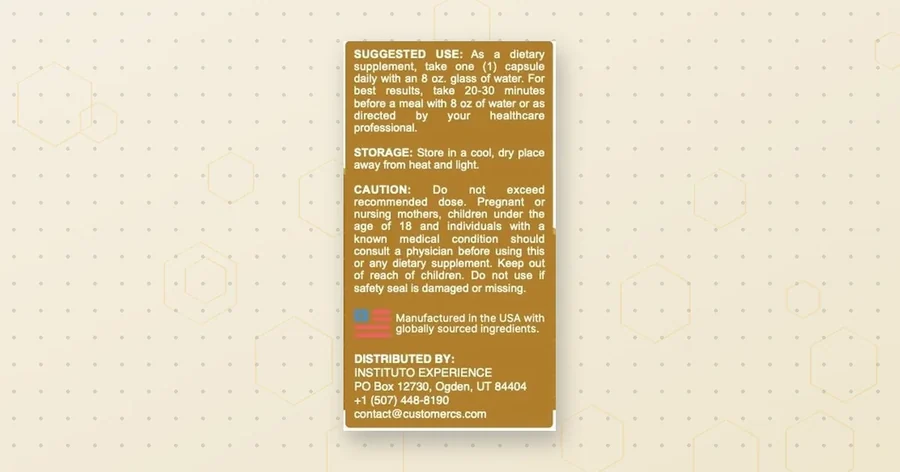
Last updated . Read our editorial standards and how we check reviews. This website is the information site of a USA Authorized MemoHoney Retailer. It is not the manufacturer, and the label names INSTITUTO EXPERIENCE (Ogden, Utah) as the distributor. We earn money when you buy through our order links.
Keep reading
More about MemoHoney

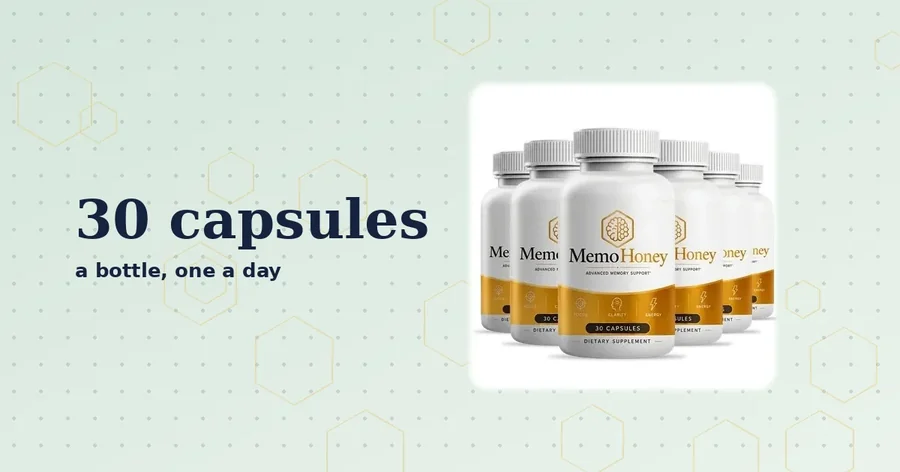
USA Authorized MemoHoney Retailer
Ready to look at MemoHoney?
Check your medicines first, especially nitrates, ED medicines and blood pressure medicines. Then pick a pack: 2, 3 or 6 bottles of 30 capsules. The checkout shows the price, the shipping and the money-back guarantee as printed there.
- Secure checkout on the seller's site
- Money-back guarantee, as printed at checkout
- Shipping shown at checkout