Guide
Do brain supplements work? What the evidence shows
Do brain supplements work? The best evidence says mostly no. The National Institute on Aging recommends no supplement for memory, and an expert panel could not endorse any brain-health ingredient. One large trial found a small benefit from a multivitamin, and cocoa extract showed none. No trial has tested MemoHoney.
Written by the MemoHoney label deskUpdated
The short answer
Do brain supplements work?
Brain supplements have not been shown to work for memory in healthy people, and the main health bodies do not recommend them.
The National Institute on Aging says no vitamin or supplement is currently recommended to prevent Alzheimer disease or other cognitive decline (NIA, Cognitive health and older adults). An independent expert panel convened by AARP concluded that supplements do not improve brain health and could not endorse any ingredient, product or formulation (GCBH 2019, supplements and brain). A Cochrane review found no meaningful effect of vitamin and mineral strategies on decline (Rutjes 2018, Cochrane vitamins).
That does not mean every pill is useless for every person. It means the proof is missing for the claims that sell most of them.
The exceptions
Which memory supplements have any evidence?
A multivitamin is the only one with a positive result in a large trial, and the benefit was small.
In the COSMOS-Mind trial, 2,262 adults with an average age of 73 took a multivitamin, cocoa extract or placebo for three years. The multivitamin gave a small gain on a global thinking score, and cocoa extract gave none (Baker 2023, COSMOS-Mind trial). The authors asked for the result to be confirmed in a more diverse group. NIA notes the same trials and says research continues (NIA, Cognitive health and older adults).
Notice what this is not. It is not an amino acid capsule, and the effect was a small number on a test, not a rescue from memory loss.
The sources side by side
Are memory supplements worth it?
For most healthy adults, memory supplements are hard to justify on the evidence, and cost and side effects count against them.
The table sets out what each source found. None of them tested a particular brand.
| Source | What it found |
|---|---|
| National Institute on Aging | No supplement recommended to prevent cognitive decline; activity and sleep are (NIA, Cognitive health and older adults) |
| Cochrane review | No meaningful effect of vitamin and mineral strategies on decline (Rutjes 2018, Cochrane vitamins) |
| Expert panel (GCBH) | Could not endorse any brain-health ingredient or product (GCBH 2019, supplements and brain) |
| COSMOS-Mind | Small gain from a multivitamin, none from cocoa extract (Baker 2023, COSMOS-Mind trial) |
| MIND diet trial | No better than a control diet over 3 years (Barnes 2023, MIND diet trial (NEJM)) |
A supplement can still be worth taking for a proven deficiency, such as low vitamin B12, which NIA lists as a treatable cause of forgetfulness (NIA, Memory problems and aging). A blood test finds that. A memory capsule does not.
Marketing
Why do so many memory supplements make big claims?
Memory claims are common because the rules for supplements are looser than the rules for drugs.
The FDA does not approve supplements for safety or effectiveness before they are sold (FDA 101 supplements). A label may describe a role in normal body function with the FDA disclaimer, but naming a disease such as dementia makes it a drug claim (FDA structure/function claims) (FDA, Unproven Alzheimer products).
The FTC has charged the makers of another memory supplement with unsupported claims. A complaint is an allegation (FTC 2017, memory-claim complaint), and trade press reports that a court later barred eight of the company's marketing statements, which the company disputes (Memory-claim case, 2024 order (trade)). Reviews are no substitute: the FTC bans fake and bought reviews (FTC fake reviews rule).
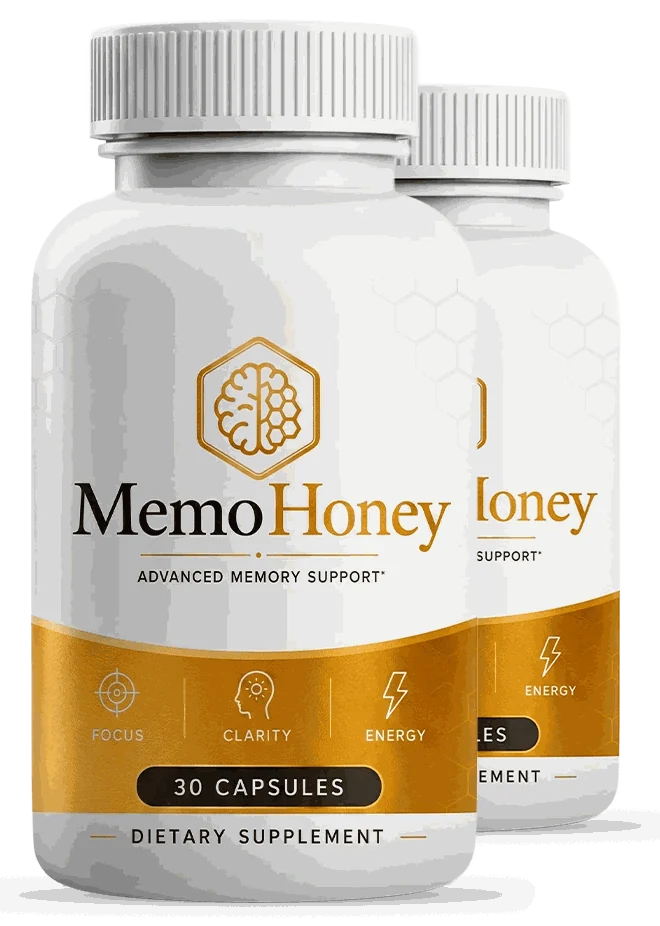
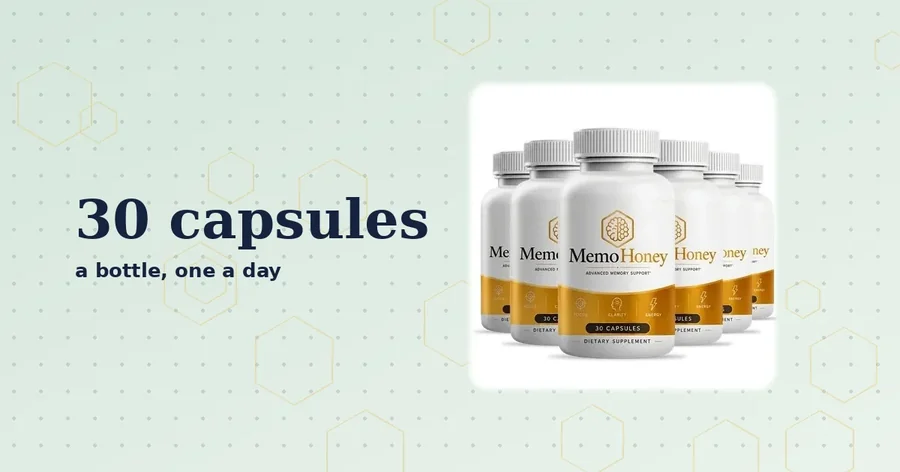
MemoHoney capsules: 30 to a bottleOne capsule a day · 2, 3 or 6 bottles · price and shipping shown at checkout
See the priceCheck the label
How do you judge a memory supplement before buying?
Check four things: whether every amount is printed, whether the dose matches a study, whether the claim names a disease, and whether the maker is named.
A "proprietary blend" hides amounts, and a disease claim is a warning sign. The checklist below shows the same test run on the MemoHoney bottle.
8 of 14basics we could confirm from the label images
- Product name and formPrinted
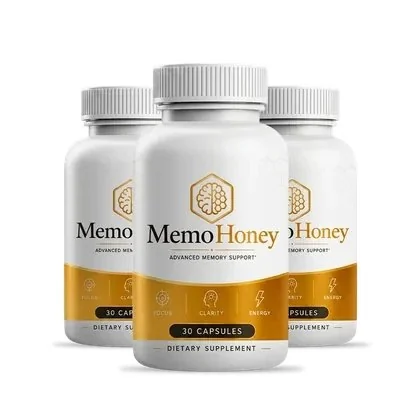
MemoHoney, 30 CAPSULES, DIETARY SUPPLEMENT.
- Supplement Facts panelPrinted
Printed: serving size 1 capsule, 30 servings, seven rows.
- Amount of each ingredientPrinted
Printed in mg for all seven rows; Daily Value shown for niacin and calcium.
- Other ingredientsPrinted
Hypromellose (vegetable capsule), vegetable stearate, silicon dioxide.
- DirectionsPrinted
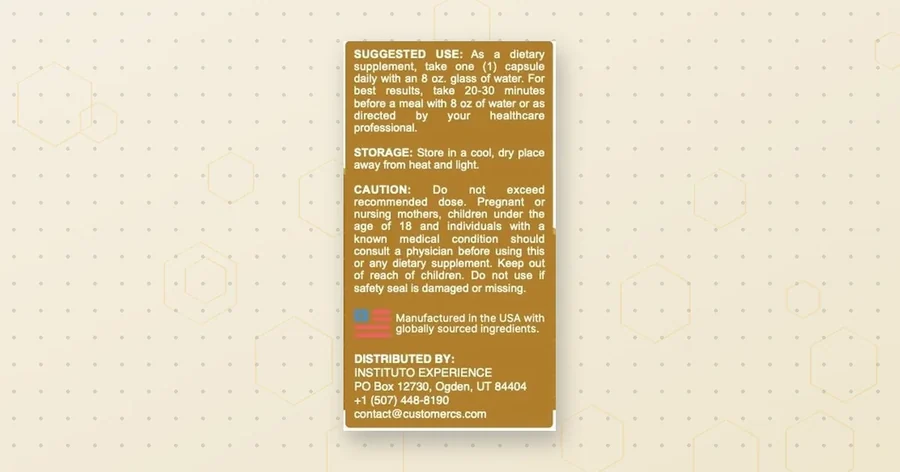
One capsule daily with an 8 oz glass of water; best 20-30 minutes before a meal.
- Storage and cautionsPrinted
Cool, dry place; consult a physician if pregnant, nursing, under 18 or with a medical condition; safety seal.
- FDA statementPrinted
Printed in a box under the panel: not evaluated by the FDA, not meant to treat any disease.
- Who distributes itPrinted
INSTITUTO EXPERIENCE, PO Box 12730, Ogden, UT 84404, with an email and phone number.
- Who makes itPartly
'Manufactured in the USA'; the manufacturer and facility are not named.
- Where ingredients come fromPartly
'Globally sourced ingredients'; no countries or suppliers are named.
- Form of niacin and what 'AKG 2:1 Extract' meansPartly
The panel does not say which form of niacin, or how much arginine the AKG extract holds.
- Lot and expiryPartly
The seller gives a lot reference; check the code stamped on your bottle.
- Third-party test or certifierNot printed
None named for the badges or the label.
- Any claim tested on this exact capsuleNot printed
No study of MemoHoney, or of these label amounts, is on file.
Read on October 27, 2026 from the label images (MemoHoney label). Check the code and seal on your own bottle too.
MemoHoney
Is MemoHoney a good product?
We cannot say, because no trial has tested MemoHoney, and its amino acid amounts are far below the doses studied.
On the plus side, the label prints every amount, lists no proprietary blend and gives a simple one-capsule direction (MemoHoney label). On the other side, the arginine pilot used 6.4 g a day and the capsule holds 0.4 g (Teotia 2026, oral arginine pilot), and we found no memory trial of citrulline. The manufacturer is not named, and despite the name the panel lists no honey. The price is shown at checkout, not on this site.
If you want to try it anyway, read the supplement facts first and check the medicine cautions.
What helps
What does help memory more than a capsule?
Sleep, regular movement and checking blood pressure are the steps with the best support.
The Lancet Commission lists 14 modifiable risk factors for dementia, including inactivity and high blood pressure, and no supplement is among them (Lancet Commission 2024 (AE summary)). Adults need 150 minutes of moderate activity a week (CDC, Adult activity) and 7 or more hours of sleep (CDC, Sleep). See the habits guide.
Memory problems that are new, getting worse or getting in the way of daily life need a clinician, not a supplement. Chest pain, fainting or trouble breathing: call 911.
FAQ
Brain supplements: common questions
Do memory supplements really work?
The evidence says mostly not. NIA recommends no supplement for memory, and the GCBH panel could not endorse any ingredient. A multivitamin showed a small benefit in one large trial, and cocoa extract showed none.
What is the best supplement for memory?
We found no supplement shown to be best for memory. A multivitamin had a small gain in COSMOS-Mind. A doctor can test for causes such as low vitamin B12, and treating those is better supported than a memory capsule.
Are brain supplements safe?
Not automatically. Supplements can interact with medicines, and the FDA does not approve them before sale. Arginine, for example, can drop blood pressure too far with nitrates and blood pressure medicines. Tell your pharmacist what you take.
Why does NIA not recommend supplements for memory?
Because trials have not shown that they prevent cognitive decline. NIA recommends no vitamin or supplement for that purpose and points to physical activity, sleep and diet patterns instead, while research continues.
Is MemoHoney worth trying?
That is your call, and no study can settle it, since none tested MemoHoney. Weigh the printed amounts, the gap from studied doses, your medicines and the checkout price. Memory worries are better taken to a clinician first.
Can a memory supplement replace a doctor visit?
No. New or worsening memory problems can have treatable causes, such as thyroid problems, medicine side effects, depression or low B12. A supplement cannot find them, and waiting can delay care.
Who wrote this
Written and reviewed by
Pages built from the label, the seller's brief and linked NIH, FDA, CDC, FTC and peer-reviewed sources.
Last updated . Read our editorial standards and how we check reviews. This website is the information site of a USA Authorized MemoHoney Retailer. It is not the manufacturer, and the label names INSTITUTO EXPERIENCE (Ogden, Utah) as the distributor. We earn money when you buy through our order links.
Keep reading
More about MemoHoney

USA Authorized MemoHoney Retailer
Ready to look at MemoHoney?
Check your medicines first, especially nitrates, ED medicines and blood pressure medicines. Then pick a pack: 2, 3 or 6 bottles of 30 capsules. The checkout shows the price, the shipping and the money-back guarantee as printed there.
- Secure checkout on the seller's site
- Money-back guarantee, as printed at checkout
- Shipping shown at checkout