Ingredient profile
Niacin in MemoHoney: vitamin B3 at 7.5 mg NE per capsule
Niacin is vitamin B3, and MemoHoney lists 7.5 mg NE per capsule, which is 47% of the 16 mg Daily Value. The label does not say whether it is nicotinic acid or nicotinamide. Flushing starts near 30 to 50 mg of nicotinic acid, so one capsule is far below it. We found no trial of niacin for memory at this amount.
Written by the MemoHoney label deskUpdated
The ingredient
What is niacin in MemoHoney?
Niacin is vitamin B3, and it is the only vitamin on the MemoHoney panel, printed as 7.5 mg NE per capsule with a Daily Value of 47% (MemoHoney label).
NE means niacin equivalents, a unit that counts both preformed niacin and what the body makes from the amino acid tryptophan. The panel does not say whether the niacin is nicotinic acid or nicotinamide, and that matters for flushing. The seller's page links niacin to cellular energy; the label itself makes no energy claim.
| Name on the label | Niacin (7.5 mg NE, 47% DV) |
|---|---|
| What it is | Vitamin B3. On the panel in niacin equivalents (NE); the label does not say whether it is nicotinic acid or nicotinamide |
| What it is sold for | A vitamin on the panel; the seller's page links it to cellular energy |
| Amount per capsule (label) | 7.5 mg NE (47% DV) |
| Amount used in research | No trial at the label amount for memory; one food-intake cohort; the RDA for men is 16 mg NE and the upper limit is 35 mg a day |
| What the studies found | In 6,158 older Chicago residents, higher niacin from food was linked to lower Alzheimer risk (relative risk 0.3 in the second and top fifths of intake), but that is an association from eating habits, not a trial. Severe niacin deficiency (pellagra) causes dementia-like symptoms, which says little about extra niacin in someone who is not deficient. 7.5 mg NE is 47% of the 16 mg Daily Value. |
| Main caution | Nicotinic acid can cause flushing at about 30 to 50 mg or more; high amounts (1,000 to 3,000 mg a day) can harm the liver. The label does not name the form, so it cannot be said whether flushing is likely. |
The numbers
How much niacin do you need, and how much is 7.5 mg NE?
Adult men need 16 mg NE a day and adult women 14 mg, and the Daily Value is 16 mg, so 7.5 mg NE is about 47% (NIH ODS, Niacin).
The upper limit for supplemental niacin is 35 mg a day for adults. One capsule is therefore a little over a fifth of that limit. Most people also get niacin from meat, fish, nuts and fortified grains, so this capsule adds to food and does not replace it.
| Amount | What it is |
|---|---|
| 7.5 mg NE | One MemoHoney capsule |
| 14 to 16 mg NE | Recommended daily amount for adults |
| 35 mg | Upper limit for supplements |
| 30 to 50 mg | Where nicotinic acid typically causes flushing |
| 1,000 mg and up | Doses that can harm the liver |
The research
Does vitamin B3 help memory?
We found no trial showing that 7.5 mg of niacin helps memory, and the two kinds of research that come up do not answer that question.
The first is a food study. In 6,158 older Chicago residents, people who ate more niacin had a lower risk of Alzheimer disease, with a relative risk of 0.3 in the second and top fifths of intake. That is an association from eating habits, and food habits travel with other habits (Morris 2004, dietary niacin cohort).
The second is pellagra, the disease caused by severe niacin deficiency, which can cause dementia-like symptoms. It shows that a deficiency harms the brain. It does not show that extra niacin helps someone who is not deficient (Hegyi 2004, pellagra review).
Memory problems that are new, getting worse or getting in the way of daily life need a clinician, not a supplement.
Evidence meter
How strong is the evidence for niacin and the brain?
The evidence is very little for a 7.5 mg capsule, and it comes from food studies and deficiency, not from supplement trials.
Wider reviews point the same way. The Cochrane review found no meaningful effect of vitamin and mineral strategies on cognitive decline, with B vitamins probably having little or no effect on global cognition (Rutjes 2018, Cochrane vitamins). A multivitamin did show a small benefit in COSMOS-Mind, but that was a different product in older adults (Baker 2023, COSMOS-Mind trial). The meter scores each MemoHoney row from 0 to 4.
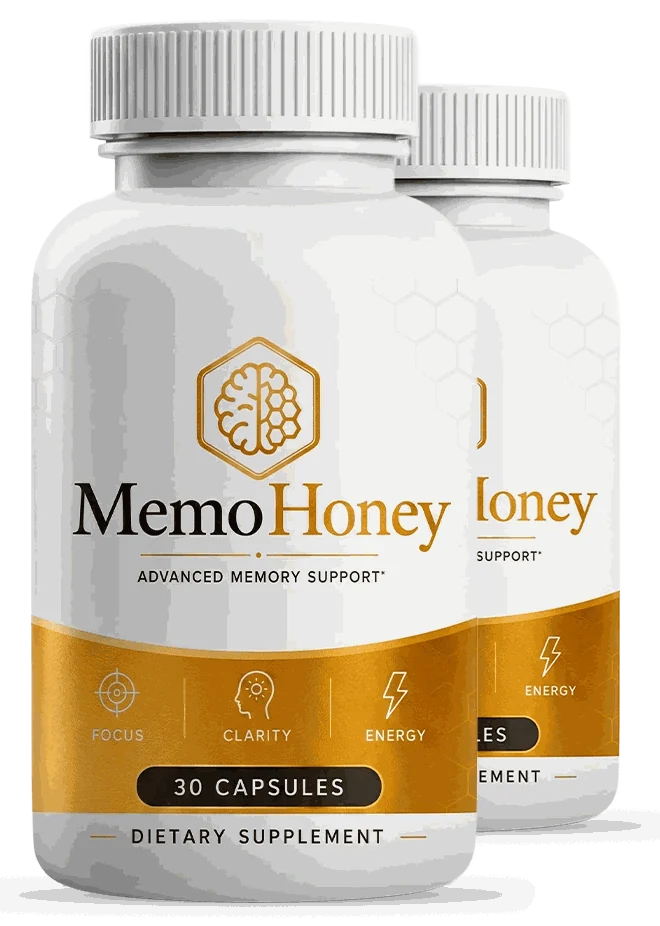
MemoHoney capsules: 30 to a bottleOne capsule a day · 2, 3 or 6 bottles · price and shipping shown at checkout
See the priceSafety
Does niacin cause flushing?
Nicotinic acid can cause flushing at about 30 to 50 mg or more, and nicotinamide does not (NIH ODS, Niacin).
The label does not name the form, so we cannot say whether flushing is likely. At 7.5 mg NE it would be far below the usual range for the form that flushes. High doses, 1,000 to 3,000 mg a day, can cause liver harm, and that is over 100 times the capsule. If you notice warmth, redness or itching of the skin after a dose, stop and ask your pharmacist.
Medicines
Is niacin safe with your medicines?
At 7.5 mg NE the niacin is unlikely to be the concern, but the arginine in the same capsule can interact with common medicines (Mayo Clinic, L-arginine).
Ask your doctor or pharmacist first if you take nitrates, sildenafil-type medicines, blood pressure medicines, blood thinners or diabetes medicines, or if you have had a heart attack. Chest pain, fainting or trouble breathing: call 911. Keep taking prescribed medicine as directed, and tell your pharmacist about every supplement.
The takeaway
Should niacin be the reason you choose MemoHoney?
No, not if you want a memory result, because the evidence is about food and deficiency, not a 7.5 mg capsule.
Fair points: the amount and Daily Value are printed. The weak point is the unnamed form. See the supplement facts and side effects.
FAQ
Niacin and MemoHoney: common questions
How much niacin is in MemoHoney?
MemoHoney has 7.5 mg NE of niacin per capsule, which the panel prints as 47% of the Daily Value. The label does not say whether it is nicotinic acid or nicotinamide. A 30-capsule bottle holds 225 mg NE.
Does 7.5 mg of niacin cause a flush?
Probably not. Nicotinic acid typically causes flushing at about 30 to 50 mg or more, and nicotinamide does not. Because the label does not name the form, we cannot promise either way. Stop and ask a pharmacist if your skin turns red or itchy.
Is niacin good for memory?
We found no trial showing it for a 7.5 mg capsule. Higher niacin from food was linked to lower Alzheimer risk in one study, but that was a link and not a trial. The National Institute on Aging recommends no supplement for memory.
What is the difference between niacin and nicotinamide?
Both are vitamin B3. Niacin on a label can mean nicotinic acid, which can cause flushing at about 30 to 50 mg, or the umbrella term for both forms. Nicotinamide does not cause flushing. The MemoHoney panel does not say which it uses.
What does NE mean on a supplement label?
NE stands for niacin equivalents. One NE counts as 1 mg of niacin or 60 mg of the amino acid tryptophan, which the body can convert. It lets labels compare different sources on one scale. MemoHoney prints 7.5 mg NE.
How much niacin is too much?
The upper limit for supplemental niacin in adults is 35 mg a day. Doses of 1,000 to 3,000 mg a day can harm the liver. One MemoHoney capsule is 7.5 mg NE. Ask a clinician about any other niacin you take.
Who wrote this
Written and reviewed by
Pages built from the label, the seller's brief and linked NIH, FDA, CDC, FTC and peer-reviewed sources.
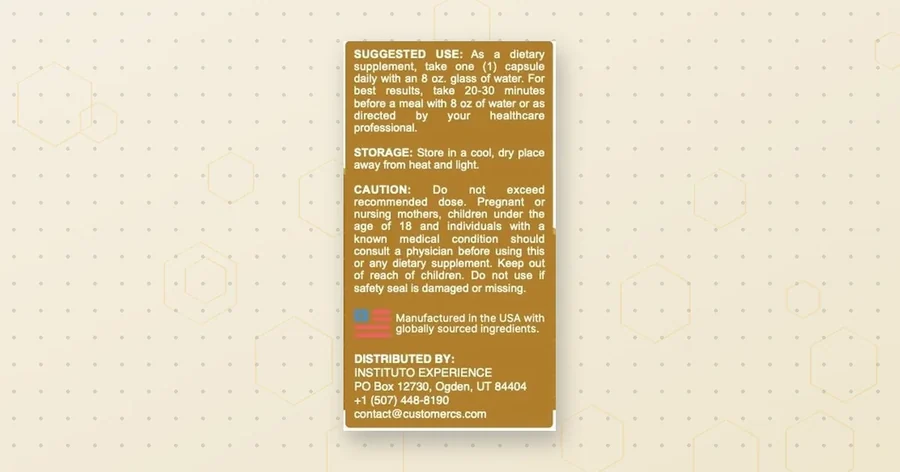
Last updated . Read our editorial standards and how we check reviews. This website is the information site of a USA Authorized MemoHoney Retailer. It is not the manufacturer, and the label names INSTITUTO EXPERIENCE (Ogden, Utah) as the distributor. We earn money when you buy through our order links.
Keep reading
More about MemoHoney

USA Authorized MemoHoney Retailer
Ready to look at MemoHoney?
Check your medicines first, especially nitrates, ED medicines and blood pressure medicines. Then pick a pack: 2, 3 or 6 bottles of 30 capsules. The checkout shows the price, the shipping and the money-back guarantee as printed there.
- Secure checkout on the seller's site
- Money-back guarantee, as printed at checkout
- Shipping shown at checkout