Guide
Memory loss vs normal forgetting: signs and when to see a doctor
Normal forgetting is slower recall or an occasional misplaced item. Memory loss that needs a doctor shows up as repeated questions, getting lost in familiar places or trouble with daily tasks. The National Institute on Aging says problems lasting a few weeks may signal something more serious, and many causes are treatable.
Written by the MemoHoney label deskUpdated
The difference
What is the difference between memory loss and normal forgetting?
Normal forgetting is mild and does not get in the way of daily life, while memory loss that needs attention does.
The National Institute on Aging calls slower recall, now and then misplacing things, and missing a monthly bill once a part of normal aging (NIA, Memory problems and aging). Most people have a day when a name will not come. It comes back later.
The worrying pattern is different: the same question asked again and again, or a task that used to be easy and no longer is. If you are unsure which one you are seeing, that is a reason to ask, not to wait.
Side by side
What are the signs of dementia compared with normal aging?
Signs of dementia include repeated questions, getting lost in familiar places and growing confusion about time, people or places.
The table follows the examples NIA gives. A single item on the left is rarely a worry. A growing list on the right is.
| Situation | Often normal aging | Warning sign |
|---|---|---|
| Recall | Slower to find a word or name | Asking the same question over and over |
| Everyday items | Occasionally misplacing things | Losing track of things so often that daily life suffers |
| Bills and tasks | Missing a monthly bill once | Trouble following a recipe or directions |
| Place and time | Brief slips that sort themselves out | Getting lost in familiar places; growing confusion about time or people |
| Self-care | Looking after yourself as usual | Neglecting self-care |
Source: NIA (NIA, Memory problems and aging). The warning signs are NIA's; the "often normal" column paraphrases its description of mild forgetfulness.
When to get help
When should you see a doctor for memory problems?
See a doctor when memory problems are new, are getting worse or get in the way of daily life, and do not wait for them to pass.
NIA says problems that last a few weeks may signal something more serious (NIA, Memory problems and aging). A visit can begin with a plain list: what changed, when it started, what medicines you take and who has noticed. Bring someone who knows you well if you can, because they often see changes you do not.
Memory problems that are new, getting worse or getting in the way of daily life need a clinician, not a supplement. Never stop a prescribed medicine on your own. Chest pain, fainting or trouble breathing: call 911.
Treatable causes
Can memory loss have a treatable cause?
Yes, many causes of memory trouble are treatable, which is the main reason to get checked early.
NIA lists thyroid, kidney or liver problems, side effects of medicines, depression or anxiety, sleep problems and low vitamin B12 (NIA, Memory problems and aging). A clinician can test for these. A supplement cannot rule them in or out. The FDA warns that products claiming to treat Alzheimer disease can be unsafe and may keep a person from seeking diagnosis and treatment (FDA, Unproven Alzheimer products).
- A new medicine, or a changed dose, in the last few weeks
- Poor sleep, low mood or high stress
- Symptoms of thyroid, kidney or liver problems
- Low vitamin B12, which a blood test can show
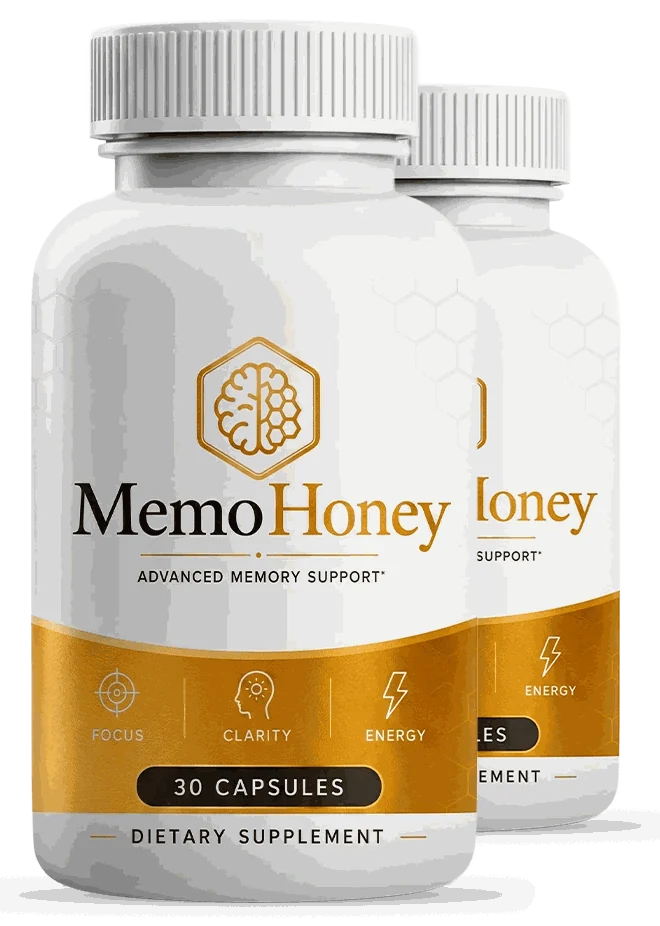
MemoHoney capsules: 30 to a bottleOne capsule a day · 2, 3 or 6 bottles · price and shipping shown at checkout
See the priceHabits
What habits help protect memory as you age?
Sleep, movement, blood pressure checks and staying connected have the best support, and no dietary supplement is on the list of risk factors.
The Lancet Commission links 14 modifiable factors to dementia risk and estimates that addressing them could potentially prevent 45% of cases, a population figure, not a promise for one person (Lancet Commission 2024 (AE summary)). NIA recommends no supplement for memory (NIA, Cognitive health and older adults). The cards below sum up the habits behind these sources.
- Sleep firstAdults 18 to 60 need 7 or more hours a night; NIA says 7 to 9 hours is generally right and poor sleep is a common cause of forgetfulness. (CDC, Sleep) (NIA, Memory problems and aging)
- Moving most daysAdults need at least 150 minutes of moderate activity a week; NIA lists regular activity among the habits it recommends for cognitive health. (CDC, Adult activity) (NIA, Cognitive health and older adults)
- Know your blood pressureHigh blood pressure is one of the 14 modifiable dementia risk factors in the 2024 Lancet Commission; normal is under 120/80 and it usually has no symptoms. (Lancet Commission 2024 (AE summary)) (AHA, BP readings)
- Eating patterns, not capsulesMediterranean and MIND diets are linked to lower dementia risk in some observational studies, but a 3-year trial found the MIND diet no better than a control diet. (Barnes 2023, MIND diet trial (NEJM)) (NIA, Cognitive health and older adults)
- Check medicines and health causesThyroid, kidney or liver problems, medicine side effects, depression and low vitamin B12 can all cloud memory and are treatable. (NIA, Memory problems and aging)
- Stay connected and curiousSocial isolation, hearing loss and inactivity are among the 14 risk factors; no dietary supplement is on that list. (Lancet Commission 2024 (AE summary))
Supplements
Can a supplement like MemoHoney tell you which kind of forgetting you have?
No, a supplement cannot sort normal forgetting from memory loss, and MemoHoney does not claim to.
MemoHoney is a dietary supplement, not a drug. Its label front says "ADVANCED MEMORY SUPPORT*", and the star leads to the FDA statement that it is not meant to diagnose, treat, cure or prevent any disease (MemoHoney label). No trial has tested it. The only oral arginine memory pilot we found gave 6.4 g a day to older adults with measured memory problems, and the placebo group improved too (Teotia 2026, oral arginine pilot). A capsule holds 0.4 g of arginine.
If you do take supplements, tell your doctor, because arginine can interact with some medicines. See the interaction guide and the guide to brain supplements.
FAQ
Memory loss and forgetting: common questions
Is forgetting names a sign of dementia?
Not usually. Slower recall of names is a common part of aging, and the name often returns later. Warning signs are repeated questions, getting lost in familiar places and trouble with everyday tasks. If you are worried, ask a doctor.
What are the early signs of dementia?
NIA lists repeatedly asking the same questions, getting lost in familiar places, trouble following recipes or directions, growing confusion about time, people or places, and neglecting self-care. One sign alone is not a diagnosis.
How long should memory problems last before seeing a doctor?
NIA says memory problems that last a few weeks may signal something more serious. Do not wait if they are getting worse, are new or get in the way of daily life. A first visit is a good place to sort it out.
Can stress or poor sleep cause forgetfulness?
Yes. NIA lists sleep problems, depression and anxiety among the treatable contributors to memory trouble. Adults aged 18 to 60 need 7 or more hours of sleep a night. Fixing sleep may help, and a doctor can look for other causes.
Can medicines cause memory problems?
Yes, NIA lists side effects of medicines among the treatable causes. Do not stop a prescribed medicine on your own. Ask your doctor or pharmacist to review your list, including any supplements.
Can a vitamin deficiency cause memory loss?
Low vitamin B12 is one cause NIA lists, and a blood test can show it. Severe niacin deficiency, called pellagra, can also cause dementia-like symptoms, but that is a deficiency, not a sign that extra vitamins help (Hegyi 2004, pellagra review).
Who can test my memory?
Start with your primary care doctor, who can check your medicines, run blood tests for treatable causes and use a short memory test. They may refer you to a specialist if needed.
Who wrote this
Written and reviewed by
Pages built from the label, the seller's brief and linked NIH, FDA, CDC, FTC and peer-reviewed sources.
Last updated . Read our editorial standards and how we check reviews. This website is the information site of a USA Authorized MemoHoney Retailer. It is not the manufacturer, and the label names INSTITUTO EXPERIENCE (Ogden, Utah) as the distributor. We earn money when you buy through our order links.
Keep reading
More about MemoHoney


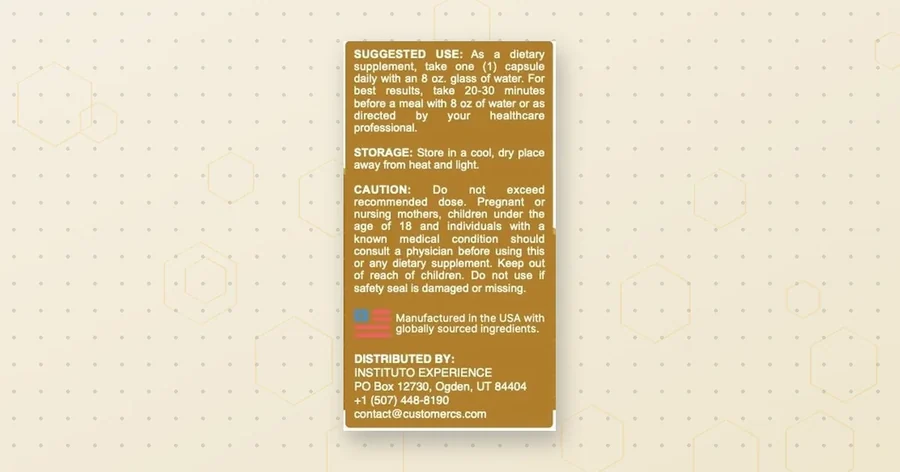
USA Authorized MemoHoney Retailer
Ready to look at MemoHoney?
Check your medicines first, especially nitrates, ED medicines and blood pressure medicines. Then pick a pack: 2, 3 or 6 bottles of 30 capsules. The checkout shows the price, the shipping and the money-back guarantee as printed there.
- Secure checkout on the seller's site
- Money-back guarantee, as printed at checkout
- Shipping shown at checkout