How it works
How does MemoHoney work? The claimed path and what research shows
How does MemoHoney work? The seller's story is that arginine and citrulline feed nitric oxide, which relaxes blood vessels. That is a body process, not a tested result. No trial has studied MemoHoney, and its capsule holds 640 mg of three amino acids against grams in the studies. Treat the path as an idea, not a promise.
Written by the MemoHoney label deskUpdated
The short version
How does MemoHoney work?
How MemoHoney works is not known, because no one has tested the capsule itself; what exists is a story built from what its amino acids do in the body.
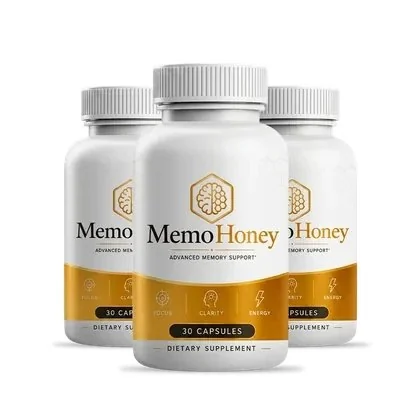
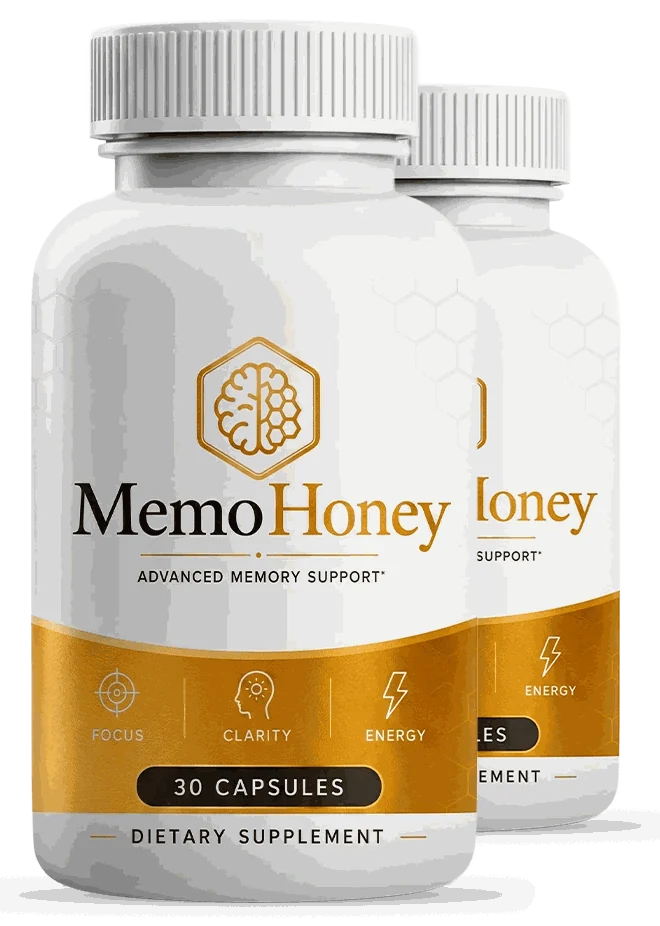
The label explains no mechanism; it prints "ADVANCED MEMORY SUPPORT*", three icons and the FDA statement (MemoHoney label). The path below comes from how arginine and citrulline act in the body, not from a MemoHoney study.
| Link | What is known | What is missing |
|---|---|---|
| Amino acid to nitric oxide | Arginine is a building block for nitric oxide (Toda 2009, NO and brain blood flow) | Nothing shows 400 mg does it |
| Nitric oxide to blood flow | Seen in a vein-dose arginine study (Reutens 1997, arginine cerebral flow) | No oral study at label amounts |
| Blood flow to memory | Nothing tested that link in that study | No MemoHoney trial |
What it is used for
What is Memo Honey used for?
Memo Honey is sold as a daily dietary supplement under the front line "ADVANCED MEMORY SUPPORT*", and that line is the only use the bottle states.
The star leads to the FDA statement: it is not meant to diagnose, treat, cure or prevent any disease. A claim about dementia would make it a drug claim (FDA, Unproven Alzheimer products). The name suggests honey, yet the panel lists none.
The claimed path
How does the nitric oxide path work in the body?
In the body, the nitric oxide path starts with arginine: cells use it to make nitric oxide, a gas that relaxes the smooth muscle in blood vessel walls.
Citrulline sits one step earlier, because the body turns it into arginine. The path is real biology, and it is why arginine can drop blood pressure too far with nitrates or blood pressure medicines (Mayo Clinic, L-arginine). Tap each tab to see where the evidence stops.
01 / 05 · 200 mg + 200 mg per capsule
L-arginine (base and AKG extract)
An amino acid the body makes and gets from protein foods; AKG stands for alpha-ketoglutarate, and the label does not say how much arginine the 200 mg of extract holds. Sold as a nitric-oxide building block.
- Studied at
- 6.4 g a day by mouth for 30 days in one small pilot in older adults with measured memory problems; 500 mg per kg by vein in a blood-flow study; up to 30 g a day for 90 days in a safety trial
- Evidence
- Very little for memory, focus or brain blood flow
- Watch for
- Nitrates, ED medicines, BP medicines, recent heart attack
02 / 05 · 100 mg + 100 mg per capsule
L-citrulline (HCl and malate)
A non-essential amino acid the body turns into arginine; malate is a salt, and citrulline malate is about 56.6% citrulline by weight. Sold as a nitric-oxide building block that is easier to keep up than arginine.
- Studied at
- No human memory trial of citrulline alone was found; 3 to 9 g a day in exercise and blood pressure trials
- Evidence
- None shown for memory, focus or brain blood flow
- Watch for
- Stomach discomfort
03 / 05 · 40 mg per capsule
Beta-alanine
An amino acid that muscle cells combine with histidine to make carnosine. Sold for stamina; here named among the memory-support rows.
- Studied at
- 4 to 6 g a day for at least 4 weeks (ISSN, exercise); 28 days in the one cognition test we found
- Evidence
- None shown for memory, focus or brain blood flow
- Watch for
- Tingling at high single doses
04 / 05 · 7.5 mg NE (47% DV) per capsule
Niacin (vitamin B3)
Vitamin B3. On the panel in niacin equivalents (NE); the label does not say whether it is nicotinic acid or nicotinamide. A vitamin on the panel; the seller's page links it to cellular energy.
- Studied at
- No trial at the label amount for memory; one food-intake cohort; the RDA for men is 16 mg NE and the upper limit is 35 mg a day
- Evidence
- Very little for memory, focus or brain blood flow
- Watch for
- Flushing, if it is nicotinic acid
05 / 05 · 18 mg (1.5% DV) per capsule
Calcium (as calcium carbonate)
A mineral; the panel lists the weight of the calcium itself, here from calcium carbonate. Listed on the panel; a very small amount.
- Studied at
- Adults need about 1,000 mg a day from all sources; the memory trial we found used 1,000 mg with vitamin D
- Evidence
- None shown for memory, focus or brain blood flow
- Watch for
- Very little; a trace amount
What was measured
Does the research show MemoHoney works for memory?
No, the research does not show that MemoHoney works for memory, because no trial has tested it and the studies of its ingredients are few and small.
Arginine has one oral memory pilot: 6.4 g a day for 30 days in older adults with memory problems, and the placebo group also improved (Teotia 2026, oral arginine pilot). The capsule holds 0.4 g. For citrulline we found no human memory trial. Beta alanine did not change a thinking test in 20 soldiers (Hoffman 2014, beta-alanine soldiers). The bars score each ingredient from 0 to 4.
Health bodies agree: the National Institute on Aging recommends no supplement for preventing cognitive decline (NIA, Cognitive health and older adults), and a Cochrane review found no meaningful effect of vitamin and mineral strategies (Rutjes 2018, Cochrane vitamins). Zero on a bar means no human trial was found.
MemoHoney capsules: 30 to a bottleOne capsule a day · 2, 3 or 6 bottles · price and shipping shown at checkout
See the priceUsing the capsule
How is MemoHoney taken?
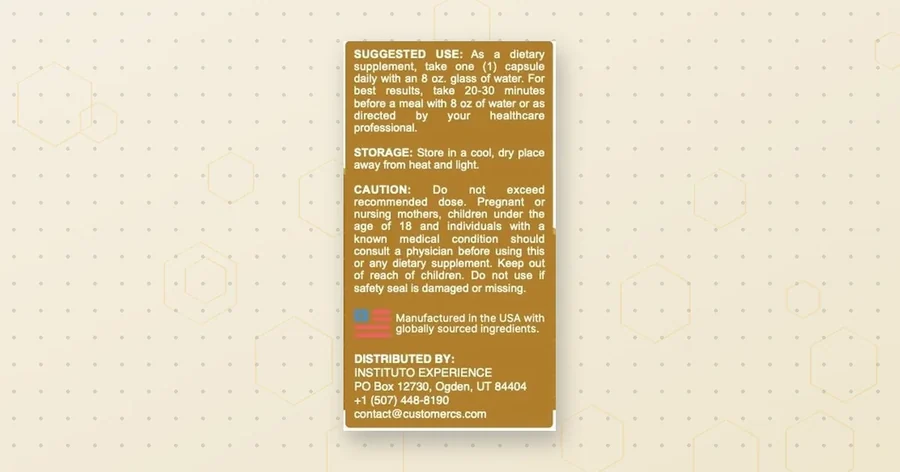
Take one capsule a day with an 8 oz glass of water, best 20 to 30 minutes before a meal, as the label directs.
- 01
Read the label and your medicine list
Check that the safety seal is intact and read the panel. Note any nitrates, sildenafil-type medicines, blood pressure medicines, blood thinners or diabetes medicines first.
- 02
One capsule with 8 oz of water
The label says one (1) capsule daily with an 8 oz glass of water. Do not take more than the label says.
- 03
20 to 30 minutes before a meal
For best results the label says to take it 20 to 30 minutes before a meal with 8 oz of water, or as your healthcare professional directs.
- 04
Keep a simple log
Tick off each day, store the bottle somewhere cool and dry away from heat and light, and keep it out of children's reach. A bottle holds 30 capsules.
Before you start
Who should check with a doctor first?
Anyone on nitrates, sildenafil-type medicines, blood pressure medicines, blood thinners or diabetes medicines should ask a doctor or pharmacist first, as should anyone who has had a heart attack.
Arginine can lower blood pressure too far or add to those medicines. In the VINTAGE MI trial, 6 of 153 patients on arginine died after a heart attack, against none on placebo (Schulman 2006, VINTAGE MI).
Keep taking prescribed medicine as directed. Memory problems that are new, getting worse or getting in the way of daily life need a clinician. Chest pain, fainting or trouble breathing: call 911.
Full list: side effects, formula, supplement facts.
What to do next
Is it worth trying MemoHoney?
Whether MemoHoney is worth trying is your call, once you have read the label and checked your medicines.
Fair strengths: every amount is printed in milligrams, there is no proprietary blend, and a bottle lasts 30 days. Weak spots: no product trial, small amounts, an unnamed manufacturer. Price and guarantee terms are shown at checkout (MemoHoney sales site).
If forgetting worries you, a clinician can check the treatable causes NIA lists (NIA, Memory problems and aging). See the ingredients and pricing.
FAQ
How MemoHoney works: common questions
How and why does MemoHoney work?
The seller's idea is that arginine and citrulline help the body make nitric oxide, which relaxes blood vessels. That is a body process, not a tested result. No trial has studied MemoHoney, and its amounts are far below research doses.
What does MemoHoney actually do in the body?
Its amino acids are used by the body as building blocks, and arginine feeds nitric oxide production. What one capsule does for memory has not been tested. We found no study of these label amounts on memory.
How long does MemoHoney take to work?
Nobody knows, because no trial timed any effect of this capsule. The one arginine memory pilot ran 30 days at 6.4 g a day, sixteen times the label's 0.4 g.
Is the nitric oxide claim on the MemoHoney label?
No. The label front says "ADVANCED MEMORY SUPPORT*" and shows three icons. The nitric oxide idea comes from how sellers describe arginine and citrulline in general. The label itself makes no nitric oxide or blood flow claim.
What is Memo Honey made of?
It is made of amino acids plus a vitamin and a mineral: L-arginine, L-arginine AKG extract, L-citrulline in two forms, beta alanine, niacin and calcium. Other ingredients are hypromellose, vegetable stearate and silicon dioxide. The panel lists no honey.
Can MemoHoney replace memory medicine or a checkup?
No. A supplement is not a substitute for a prescribed medicine or a medical visit. Keep taking prescribed medicine. Memory problems that are new, getting worse or affecting daily life need a clinician, who can look for treatable causes.
Who wrote this
Written and reviewed by
Pages built from the label, the seller's brief and linked NIH, FDA, CDC, FTC and peer-reviewed sources.
Last updated . Read our editorial standards and how we check reviews. This website is the information site of a USA Authorized MemoHoney Retailer. It is not the manufacturer, and the label names INSTITUTO EXPERIENCE (Ogden, Utah) as the distributor. We earn money when you buy through our order links.
Keep reading
More about MemoHoney


USA Authorized MemoHoney Retailer
Ready to look at MemoHoney?
Check your medicines first, especially nitrates, ED medicines and blood pressure medicines. Then pick a pack: 2, 3 or 6 bottles of 30 capsules. The checkout shows the price, the shipping and the money-back guarantee as printed there.
- Secure checkout on the seller's site
- Money-back guarantee, as printed at checkout
- Shipping shown at checkout