Ad rules
FTC supplement claims: what evidence an ad must have
FTC supplement claims about health benefits must rest on competent and reliable scientific evidence, and randomized human trials are the most reliable kind. Testimonials alone are not enough. The FTC has challenged another memory supplement's claims. No trial tested MemoHoney, so its marketing lines are quoted here, not repeated.
Written by the MemoHoney label deskUpdated · 5 min read

What evidence do FTC supplement claims need?
FTC supplement claims about health need competent and reliable scientific evidence, and randomized, controlled human trials are the most reliable form.
The FTC says observational studies show association, not cause, and that animal or lab studies alone are not enough. A testimonial is not enough on its own, and a "results not typical" note does not fix testimonials that show more than typical results (FTC health products guidance).
Anecdotes and consumer surveys "are never sufficient" to back claims about a health product.
Has the FTC challenged memory supplement claims before?
Yes, the FTC and New York charged the makers of another memory supplement in 2017 with false and unsubstantiated memory claims.
The agencies said the study the company relied on did not show the product beat placebo on any measure of cognitive function (FTC 2017, memory-claim complaint). A complaint is an allegation. Trade press later reported that after a jury trial a court barred eight marketing statements, while the company disputed the ruling and planned to appeal (Memory-claim case, 2024 order (trade)). That source is trade press, so treat it with care.
| Kind of proof | Enough alone? |
|---|---|
| Randomized human trial | The most reliable form |
| Observational study | No, shows association |
| Animal or lab study | No |
| Testimonial | No |
How do MemoHoney's marketing lines measure up?
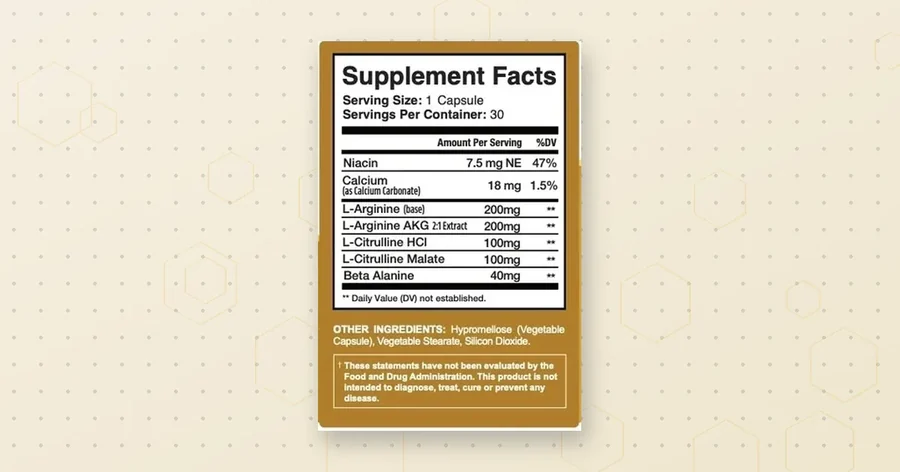
MemoHoney's four marketing lines are quoted below with what the sources say; none is a finding about the product.
“Boosts nitric oxide”
Arginine and citrulline are building blocks for nitric oxide, but one blood-flow study gave arginine by vein at a very high dose, and no study tested a 200 mg capsule. (Reutens 1997, arginine cerebral flow) (Toda 2009, NO and brain blood flow)
“Improves memory and focus”
No study we found tested these label amounts on memory. One small pilot used 6.4 g of arginine a day; the capsule holds 40 to 200 mg of each ingredient. (Teotia 2026, oral arginine pilot) (NIA, Cognitive health and older adults)
“Supports brain health”
NIA says no supplement is recommended for preventing memory decline, and an expert panel could not endorse any brain-health ingredient. (NIA, Cognitive health and older adults) (GCBH 2019, supplements and brain)
“Reviews prove it works”
Reviews are not evidence of an effect, and fake or bought reviews are banned by an FTC rule. (FTC fake reviews rule) (FTC health products guidance)
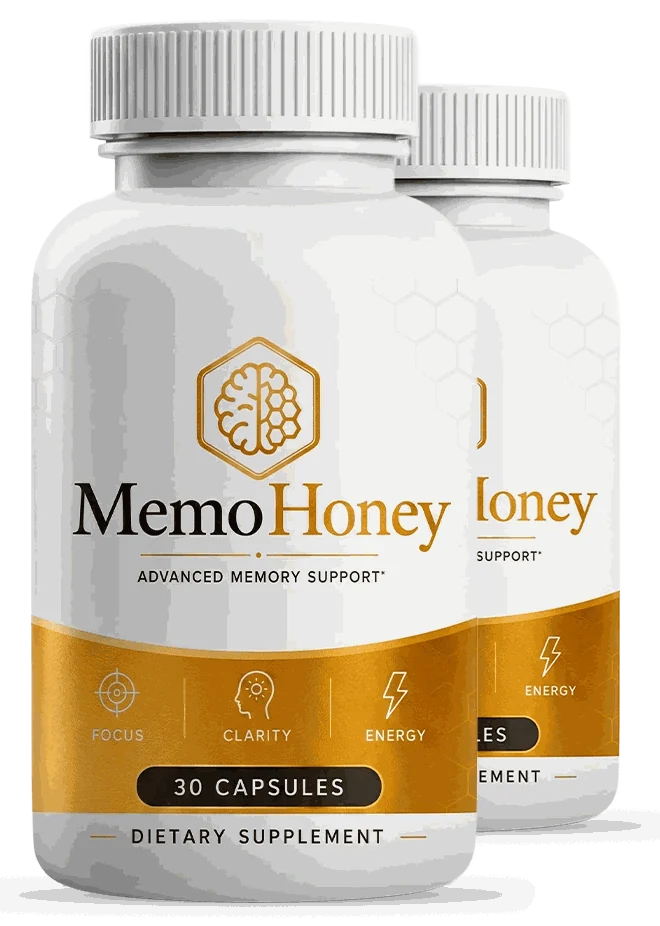
MemoHoney capsules: 30 to a bottleOne capsule a day · 2, 3 or 6 bottles · price and shipping shown at checkout
See the priceHow can you test an ad against these rules?
You can test an ad by asking what human trial it rests on, which dose it used and whether that dose matches the capsule.
For MemoHoney, the label shows 40 to 200 mg per row, while the studied doses we found ran from 1.5 to 24 g a day. We found no trial of the product. Memory problems that are new, getting worse or getting in the way of daily life need a clinician. Keep taking prescribed medicine. See the benefits page.
Is it reasonable to order MemoHoney?
It is your choice; the label and the evidence gaps are laid out above so you can decide.
The price is shown at checkout.
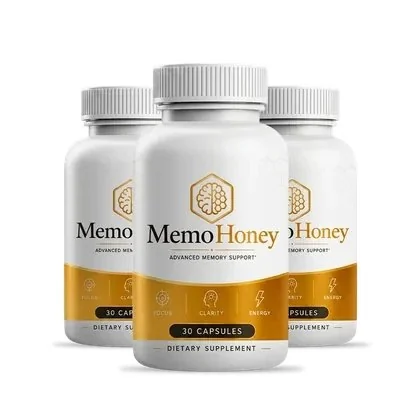
90-day supply
3 bottles: 90 days
90 capsulesone a day · price shown at checkout
Shipping at checkout · Guarantee as printed there
See 3 bottles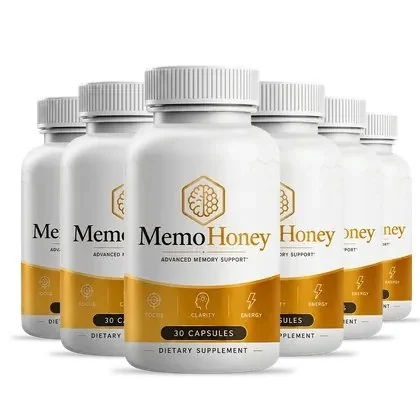
180-day supply
6 bottles: 180 days
180 capsulesone a day · price shown at checkout
Shipping at checkout · Guarantee as printed there
See 6 bottlesPrices are shown at checkout (MemoHoney sales site). Two bottles are also sold. Check your medicines with your doctor or pharmacist before you order.
FAQ
MemoHoney questions people ask
What does competent and reliable scientific evidence mean?
It means proof that experts would accept, and the FTC calls randomized, controlled human trials the most reliable form. Animal studies, anecdotes and testimonials alone fall short for a health claim.
Can an ad say clinically shown without a trial?
No. A claim like that needs real clinical evidence. In the memory-claim case, the FTC alleged the company's study failed to show a benefit over placebo. Ask which trial an ad means.
Does the FTC approve supplement ads in advance?
No. The FTC acts after ads run, by challenging claims it believes are unsupported. That puts the job of checking on you, so ask for the study, the dose and the people studied.
Where can I report a deceptive supplement ad?
Report it to the FTC at its complaint site. Report a bad reaction to the FDA. Keep a screenshot of the ad and your receipt so the details are not lost.
Who wrote this
Written and reviewed by
Pages built from the label, the seller's brief and linked NIH, FDA, CDC, FTC and peer-reviewed sources.
Last updated . Read our editorial standards and how we check reviews. This website is the information site of a USA Authorized MemoHoney Retailer. It is not the manufacturer, and the label names INSTITUTO EXPERIENCE (Ogden, Utah) as the distributor. We earn money when you buy through our order links.
Keep reading
More about MemoHoney
USA Authorized MemoHoney Retailer
Ready to look at MemoHoney?
Check your medicines first, especially nitrates, ED medicines and blood pressure medicines. Then pick a pack: 2, 3 or 6 bottles of 30 capsules. The checkout shows the price, the shipping and the money-back guarantee as printed there.
- Secure checkout on the seller's site
- Money-back guarantee, as printed at checkout
- Shipping shown at checkout