Research check
Memo Honey research: which studies exist, and which do not?
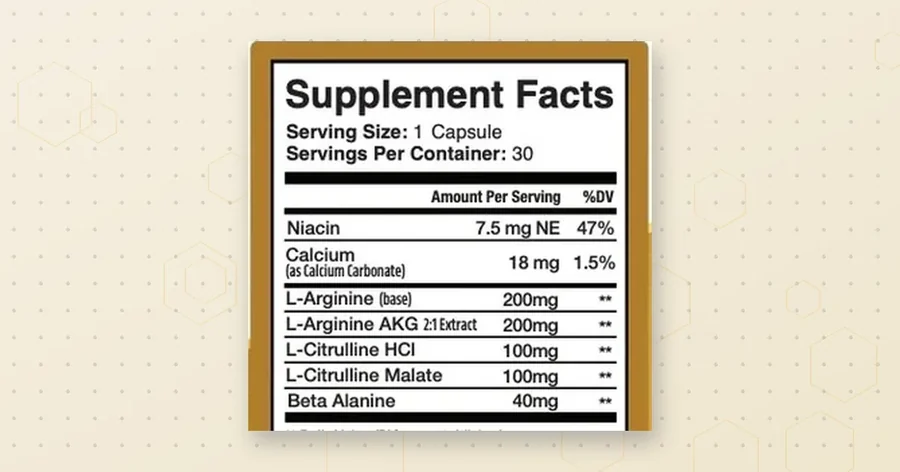
Memo honey research on the finished capsule does not exist in anything we could find. The studies are about single ingredients, and almost all used grams a day, while each MemoHoney row holds 40 to 200 milligrams. One 2026 pilot used 6.4 g of arginine; the label has 0.4 g across two rows.
Written by the MemoHoney label deskUpdated · 5 min read
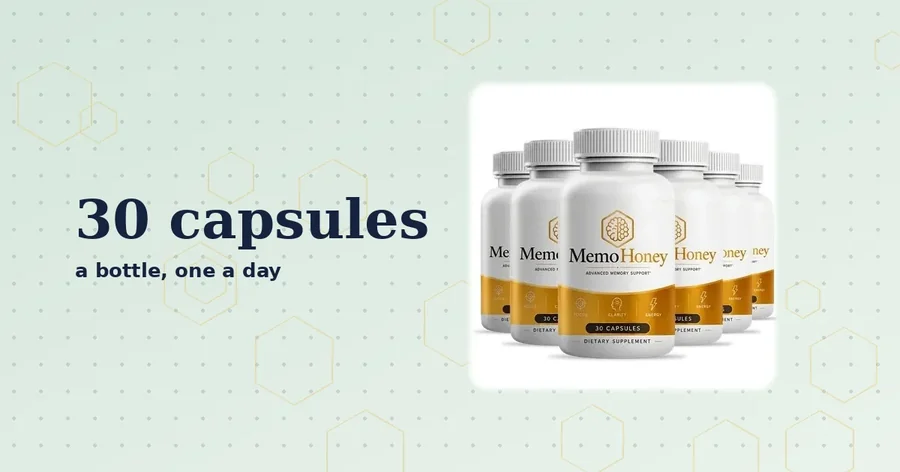
Is there any research on MemoHoney itself?
No, there is no published research on MemoHoney itself that we could find, so the 2026 search ends with its ingredients.
Neither the label nor the seller's brief names a trial, and the sales site names none either (MemoHoney sales site). The seller's lot numbers are references, not lab results. Anything said about this exact capsule is therefore a guess.
What can be read is research on each label row. It answers a different question: what happened when people took a much larger amount of one amino acid or vitamin.
What do studies of the label ingredients show?
Studies of the label ingredients show little for memory in healthy adults, and each used far more than a capsule holds.
| Row (label amount) | Closest study | Finding |
|---|---|---|
| L-arginine, two rows (400 mg) | 6.4 g a day for 30 days, older adults with memory problems | Small pilot; the placebo group improved too (Teotia 2026, oral arginine pilot) |
| L-citrulline, two rows (200 mg) | None on memory found | A 12-athlete mixed-amino-acid trial cannot isolate it (Chen 2016, BCAA arginine citrulline) |
| Beta alanine (40 mg) | 28 days in 20 soldiers | No change on a cognition test (Hoffman 2014, beta-alanine soldiers) |
| Calcium (18 mg) | 1,000 mg plus vitamin D in 4,143 women | No cognitive effect (Rossom 2012, WHI calcium + D) |
| Niacin (7.5 mg NE) | Food-intake cohort; pellagra | Observational, or deficiency; not a supplement test |
How strong is the evidence for each ingredient?
The evidence is weak to absent for every row, and the meter shows it on a 0 to 4 scale.
Broader reviews agree. A Cochrane review of vitamin and mineral strategies found no meaningful effect on decline (Rutjes 2018, Cochrane vitamins), and an expert panel could not endorse any ingredient for brain health (GCBH 2019, supplements and brain).
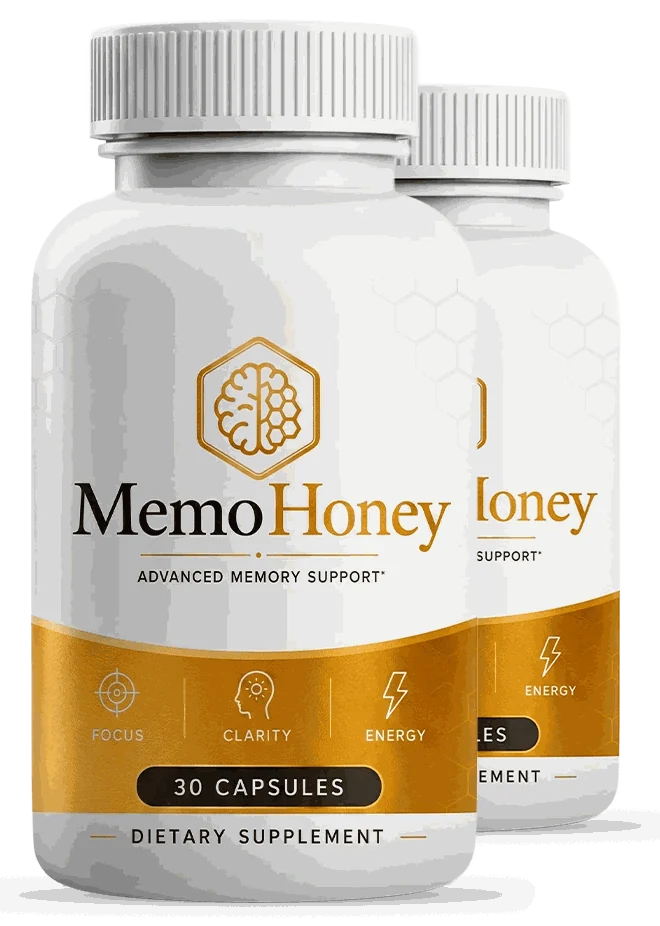
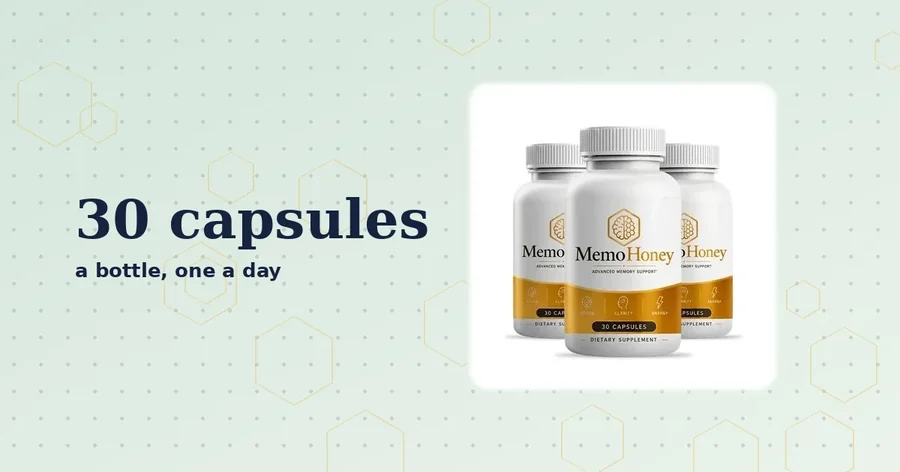
MemoHoney capsules: 30 to a bottleOne capsule a day · 2, 3 or 6 bottles · price and shipping shown at checkout
See the priceWhat would a fair trial of MemoHoney look like?
A fair trial gives the finished capsule or a matching placebo to adults chosen at random, and measures memory before and after.
- Neither volunteers nor testers know who got the capsule.
- A set time, such as 30 days or more, and a written plan for what is measured.
- A placebo group, because the 2026 arginine pilot shows placebo groups can improve.
- Results published whatever they show, with the exact product named.
The FTC treats randomized human trials as the most reliable form of evidence for health claims (FTC health products guidance). Memory problems that are new, getting worse or getting in the way of daily life need a clinician, not a capsule. Keep taking prescribed medicine; chest pain, fainting or trouble breathing: 911. See the ingredients.
Should missing research change how you read the label?
Missing research is a reason to read the label as a list of amounts, not as a result.
The seller's images show packs of 2, 3 and 6 bottles; confirm price and terms at checkout. See the formula for amounts.
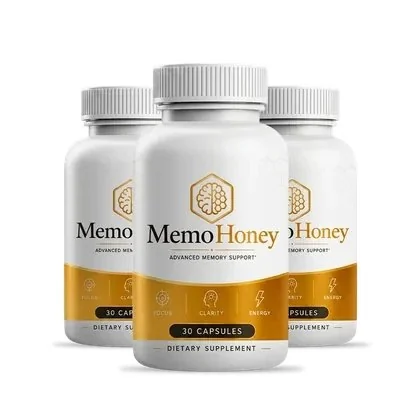
90-day supply
3 bottles: 90 days
90 capsulesone a day · price shown at checkout
Shipping at checkout · Guarantee as printed there
See 3 bottles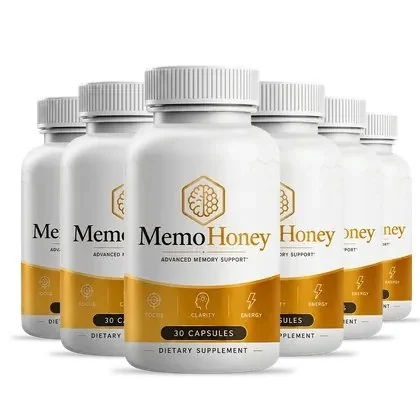
180-day supply
6 bottles: 180 days
180 capsulesone a day · price shown at checkout
Shipping at checkout · Guarantee as printed there
See 6 bottlesPrices are shown at checkout (MemoHoney sales site). Two bottles are also sold. Check your medicines with your doctor or pharmacist before you order.
FAQ
MemoHoney questions people ask
Has MemoHoney been tested in a clinical trial?
We found no clinical trial of MemoHoney in the label, the seller's brief, the sales site or public databases we read. Research exists only on single ingredients, at larger doses than the capsule holds. Ask the seller for any trial in writing.
Why do ingredient studies not prove a capsule works?
A study tests one dose of one form in one group. The capsule has different amounts, six forms together and a different buyer. A result for 6.4 g of arginine says little about 400 mg, so each claim needs its own test.
What is the 2026 arginine study?
It was a small pilot in older adults with measured memory problems, who took 6.4 g of arginine a day for 30 days. The placebo group also improved, so the result is mixed. Capsule arginine is about 6% of that dose.
Who wrote this
Written and reviewed by
Pages built from the label, the seller's brief and linked NIH, FDA, CDC, FTC and peer-reviewed sources.
Last updated . Read our editorial standards and how we check reviews. This website is the information site of a USA Authorized MemoHoney Retailer. It is not the manufacturer, and the label names INSTITUTO EXPERIENCE (Ogden, Utah) as the distributor. We earn money when you buy through our order links.
Keep reading
More about MemoHoney

USA Authorized MemoHoney Retailer
Ready to look at MemoHoney?
Check your medicines first, especially nitrates, ED medicines and blood pressure medicines. Then pick a pack: 2, 3 or 6 bottles of 30 capsules. The checkout shows the price, the shipping and the money-back guarantee as printed there.
- Secure checkout on the seller's site
- Money-back guarantee, as printed at checkout
- Shipping shown at checkout